 Save
Save Last summer, my neighbor challenged me to make something that would convince her meat-eating family that vegetables could actually be the star of dinner. She handed me a bag of black-eyed peas from her garden and said, 'Make me a burger.' I'd never attempted a bean burger before, but something about the dare made me want to prove it could work. Three hours later, her teenager was asking for seconds, and I realized I'd stumbled onto something special—a burger so hearty and seasoned that no one even noticed the absence of beef.
I made these for a casual weeknight dinner with friends who were trying Veganuary, and honestly, I was more nervous than they were. When one of them took that first bite and paused—not in rejection, but in surprise—I knew I'd nailed it. They tasted savory, deeply spiced, and substantial enough that everyone left feeling genuinely satisfied without the heavy aftermath of a traditional burger.
Ingredients
- Cooked black-eyed peas: The base of everything—they're creamy when mashed but keep enough texture to hold the patty together, and their earthy flavor pairs perfectly with the spices.
- Onion and garlic: These create the aromatic foundation that makes people say 'wow, what is that flavor?' before they even taste it.
- Grated carrot: Adds moisture and natural sweetness that balances the smokiness without being obvious.
- Fresh parsley: A small touch that brings brightness and keeps the patties from tasting one-dimensional.
- Smoked paprika: This is the secret weapon—it mimics that deep, charred flavor you'd get from beef without being heavy-handed.
- Breadcrumbs: Your binding agent, but use gluten-free if needed; they help hold everything together and add a subtle structure.
- Flax egg: Two tablespoons ground flaxseed mixed with five tablespoons water creates a binder that works just as well as a chicken egg, trust me.
- Olive oil: A tablespoon in the mixture plus more for cooking ensures the patties stay moist and develop that golden crust.
- Salt and black pepper: Don't skimp here—they're not just seasonings, they're flavor amplifiers.
- Optional cumin: If you add it, use half a teaspoon for an earthy depth that works especially well if you're serving with lime and cilantro toppings.
- Nutritional yeast: A tablespoon gives a subtle umami punch that makes people unconsciously take another bite.
- Chili flakes: Just a pinch unless you like serious heat—these add complexity, not just spice.
Tired of Takeout? 🥡
Get 10 meals you can make faster than delivery arrives. Seriously.
One email. No spam. Unsubscribe anytime.
Instructions
- Start with your flax egg:
- Mix ground flaxseed with water in a small bowl and let it sit for five minutes while you prepare everything else. This magical moment when it turns gelatinous is exactly what you're waiting for—it's your secret binder.
- Prepare the base:
- Drain your black-eyed peas and mash them in a large bowl with a fork, leaving some texture so the patties aren't baby-food consistency. You want them broken down but still recognizable.
- Build the flavor:
- Dice your onion fine, mince your garlic small, and grate your carrot so everything distributes evenly and cooks through. Add them along with the parsley and smoked paprika—this is where the magic starts.
- Combine everything:
- Add your flax egg, breadcrumbs, olive oil, salt, pepper, and any optional add-ins to the bowl. Mix thoroughly but gently—you're combining, not overworking, so everything stays tender once cooked.
- Shape with care:
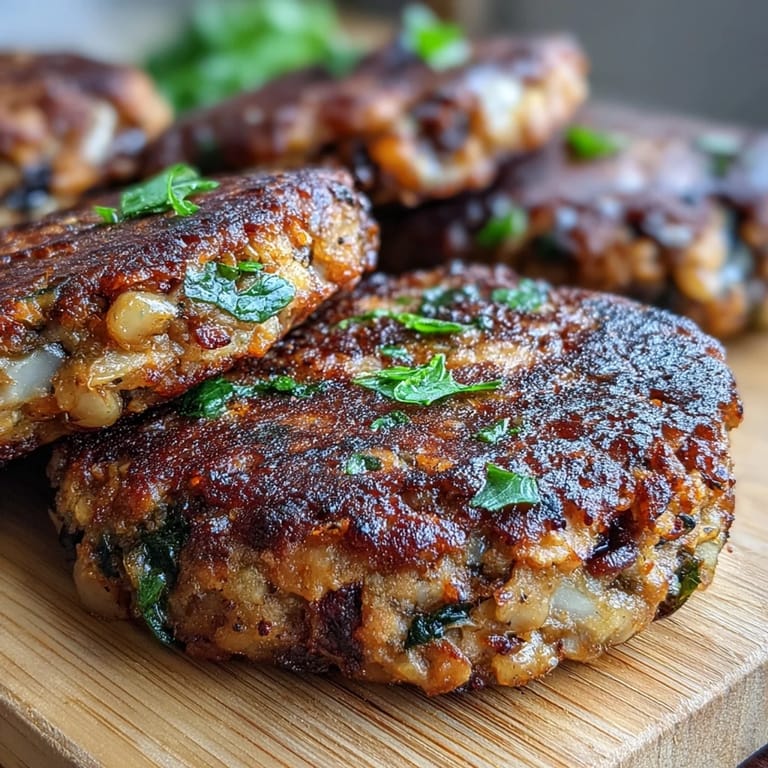
- Divide the mixture into four equal portions and press them firmly into patty shapes about three-quarters of an inch thick. If they feel loose, let the mixture rest in the fridge for ten minutes to firm up.
- Bake for a healthier option:
- Place patties on parchment paper, brush lightly with olive oil, and bake at 400°F for fifteen to eighteen minutes, flipping halfway through. You're looking for the edges to turn golden and the patty to feel firm when you press it.
- Fry for maximum crust:
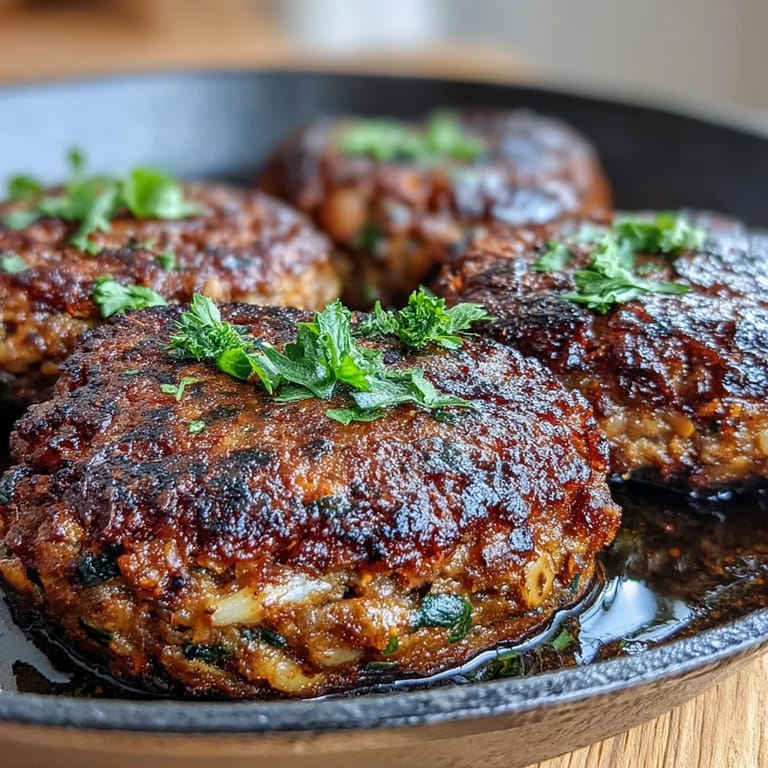
- Heat two tablespoons of olive oil in a skillet over medium heat, then cook patties four to five minutes per side until the outside is crisp and deeply browned. The sound of that sizzle tells you everything is working.
 Save
Save There's a moment that happens almost every time I make these when someone cuts into a patty and the steam rises up, and they suddenly get it—they understand that plant-based food can be genuinely delicious without apology. That's the moment this recipe stopped being just dinner and became a small kind of magic.
Why These Patties Actually Work
The genius of black-eyed peas is that they're naturally creamy and mild enough to be a blank canvas for flavor, but hearty enough to stand up to bold seasonings like smoked paprika and cumin. When you mash them the right way—leaving some texture—they create this perfect binding structure that holds everything together while staying tender inside. The flax egg is the unsung hero here because it mimics the binding properties of eggs without any animal products, and the breadcrumbs add structure that keeps you from biting into mush.
Baking Versus Frying
I've gone back and forth on this more times than I care to admit, and here's what I've learned: baking is the gentler option that guarantees even cooking with less fuss, while frying gives you that restaurant-quality crust that makes people take bigger bites. If you're short on time or making these ahead, bake them; if you want that moment of sizzle and crispy edges that make you feel like you're at a proper burger joint, pan-fry them. Either way, the inside stays moist because you've built moisture into the mixture itself.
Taking These Further
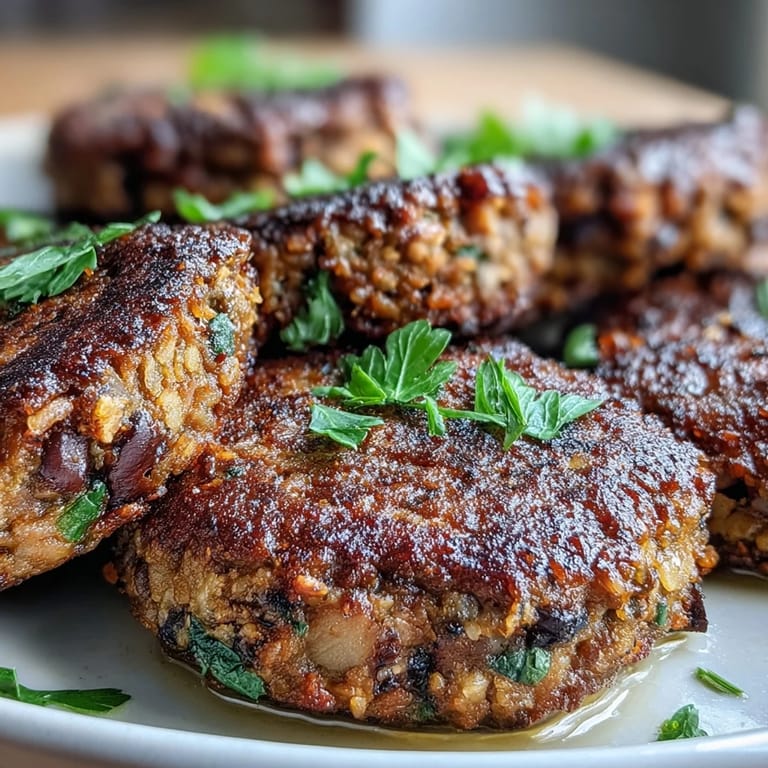
Once you've mastered the basic patty, the toppings and serving ideas become endless, and that's when these burgers really shine. I've served them on brioche buns with vegan mayo and pickled red onions, alongside a bright arugula salad with lemon dressing, and even crumbled into a grain bowl with tahini sauce. The patties themselves are so well-seasoned that they don't need much, but they're also humble enough to support whatever flavor direction you want to take them.
- Try them with vegan mayo, crispy lettuce, thick tomato slices, and pickles for a classic burger experience that doesn't feel like compromise.
- Make a batch ahead and refrigerate for up to two days so you have an instant dinner option when you're too tired to cook from scratch.
- If heat is your thing, add chili flakes to the mixture itself or serve them with a hot sauce on the side—the earthiness of the peas balances spice beautifully.
 Save
Save These burgers have become my go-to recipe when I want to prove that plant-based cooking isn't about restriction—it's about building flavor with intention and treating vegetables like the stars they actually are. Every time someone asks for the recipe, I know I'm passing along something that changed their mind about what food can be.
Kitchen Guide
- → Can I make these patties gluten-free?
Absolutely. Simply substitute regular breadcrumbs with gluten-free breadcrumbs to accommodate dietary restrictions while maintaining the same texture and binding properties.
- → How should I store uncooked patties?
Shape the mixture into patties and refrigerate for up to 2 days before cooking. Place them on a parchment-lined tray separated by wax paper to prevent sticking.
- → What's the best cooking method?
Both methods yield excellent results. Baking at 400°F for 15-18 minutes creates evenly cooked, golden patties. Pan-frying produces a crispier exterior with slightly less oil absorption.
- → Can I freeze these patties?
Yes, freeze uncooked patties individually on a tray until firm, then transfer to an airtight container. Thaw in the refrigerator overnight before cooking as directed.
- → What toppings work well?
Classic burger toppings shine here—crisp lettuce, ripe tomato slices, tangy pickles, and your favorite condiment. Vegan mayo, avocado, or caramelized onions complement the earthy black-eyed pea flavor beautifully.
- → How do I prevent patties from falling apart?
Ensure the flax egg mixture thickens for 5 minutes before adding. Don't over-mash the peas—leave some texture for better binding. If the mixture feels too wet, add another tablespoon of breadcrumbs.