 Save
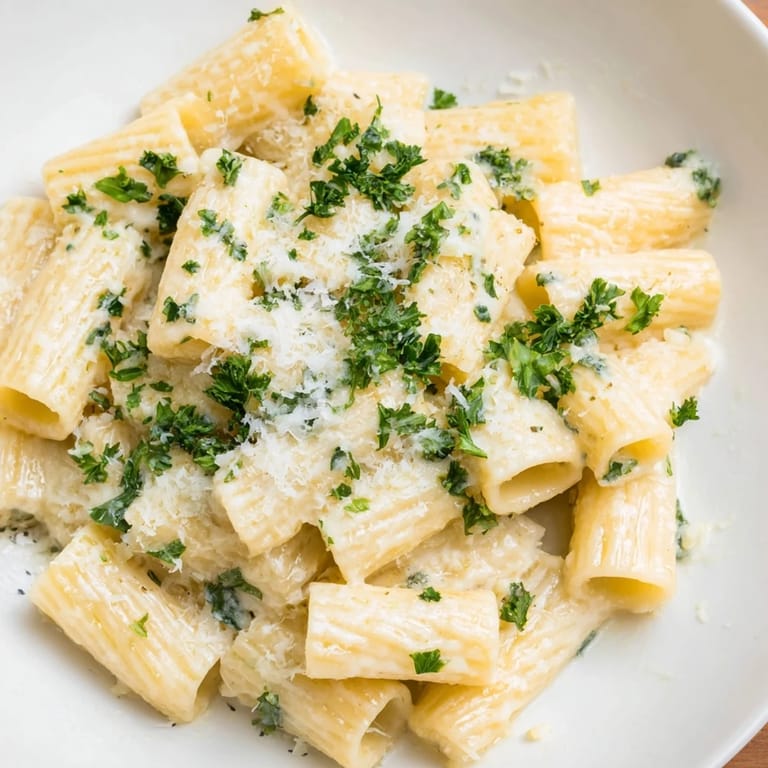
Save There's something almost magical about watching pasta absorb warm milk instead of water, transforming as it cooks into something creamy and rich without a single drop of cream. I stumbled onto this method years ago when I was too impatient to make a proper sauce and too tired to dirty extra pans, and somehow it became the dish I reach for on nights when I need comfort without complexity. The first time my pasta actually softened in milk rather than swimming in it, I realized I'd been overthinking Italian cooking the whole time. Now it's the kind of meal that makes people ask for the recipe because it tastes far more involved than the twenty minutes it actually takes.
I made this for a friend who'd just moved into her first apartment, and watching her face when she realized you could cook pasta in milk without it turning into soup was worth more than any fancy dinner I could've brought. She called me the next week saying she'd made it three times already, once by candlelight on a random Tuesday because she couldn't be bothered to go out. That's when I knew this recipe wasn't just convenient, it was the kind of thing people keep coming back to because it actually works.
Ingredients
- Short pasta (penne, fusilli, or rigatoni): 350 grams—use something with texture and shape because smooth long pasta tends to clump together in milk.
- Whole milk: 1 liter—don't skimp on the fat content here, it's what makes everything creamy and rich.
- Unsalted butter: 60 grams—the flavor base that keeps everything from tasting thin or one-dimensional.
- Grated Parmesan cheese: 60 grams—add it at the very end so it melts into silky threads rather than becoming grainy.
- Garlic cloves, minced: 2—they bloom in the butter and give the whole dish its savory backbone.
- Salt: 1/2 teaspoon, adjusted to taste—milk masks salt differently than water, so taste as you go.
- Freshly ground black pepper: 1/4 teaspoon—grind it fresh because pre-ground tastes flat against this creamy backdrop.
- Nutmeg: A pinch, optional—it whispers in the background and lifts the whole dish if you use it.
- Fresh parsley, chopped: For serving—the brightness cuts through richness and makes it feel finished.
Tired of Takeout? 🥡
Get 10 meals you can make faster than delivery arrives. Seriously.
One email. No spam. Unsubscribe anytime.
Instructions
- Bloom the garlic in butter:
- Melt the butter over medium heat and add minced garlic, stirring for about one minute until it becomes fragrant and golden but not brown. You're building the flavor foundation here, and burning it ruins everything, so keep your heat honest.
- Pour in the milk gently:
- Add the milk and bring it to a gentle simmer—this means little bubbles forming at the edges, not a rolling boil. If you boil it hard, the milk can break and you'll end up with a grainy texture instead of silk.
- Add the pasta and let it work:
- Stir in the pasta, salt, pepper, and nutmeg if using, making sure everything gets coated and nothing sticks to the bottom. The pasta will start absorbing the milk almost immediately, which is exactly what you want.
- Stir frequently and watch the magic:
- For 12 to 15 minutes, keep stirring every minute or so as the pasta softens and the milk slowly becomes thicker and creamier. You'll notice the sauce developing right before your eyes, getting richer as starch from the pasta mingles with the milk. If it thickens too fast or looks too thick, add a splash more milk to loosen it up.
- Finish with cheese and serve:
- Once the pasta is tender and the sauce looks silky, remove it from heat and stir in the grated Parmesan until it's fully melted and the sauce becomes glossy. Taste it, adjust the seasoning if needed, and serve immediately with fresh parsley scattered on top and extra Parmesan on the side.
 Save
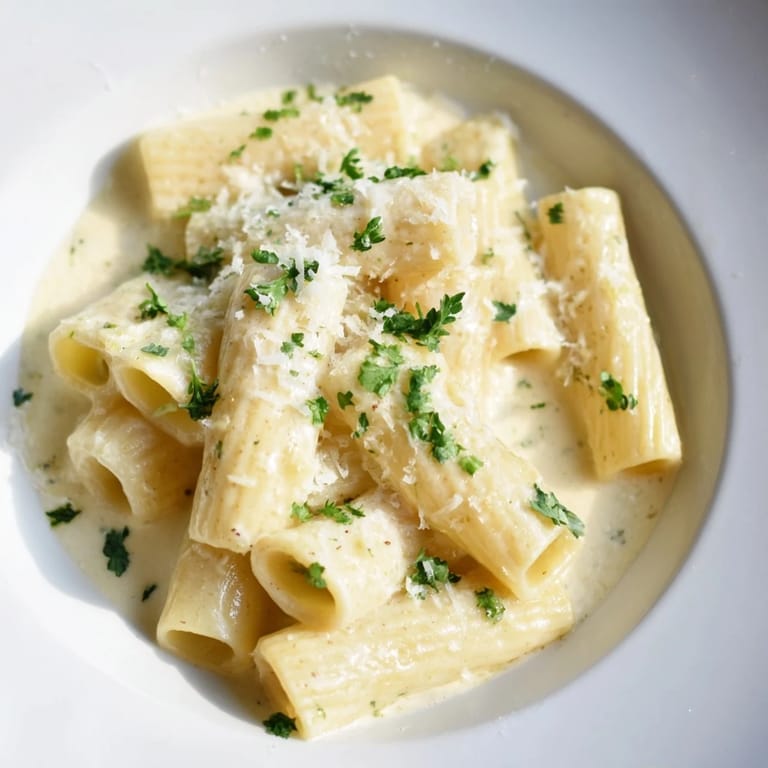
Save There was this rainy Sunday when I made this for my partner, and he sat at the kitchen counter watching the whole thing come together, amazed that something so creamy could happen in one pan in under thirty minutes. We ate it right there at the counter, no fuss, no ceremony, and he asked if I could promise to make it every time he's had a terrible day at work. Now that's exactly what it is—the meal that says "I made something warm for you because you deserve easy comfort right now."
Why This Works Without Effort
Most creamy pasta sauces demand you make a béchamel first or reduce cream for ages, building layers of technique that make the whole thing feel complicated. This one skips all of that because the pasta itself releases starch that thickens the milk, so you're essentially making the sauce while the pasta cooks. It's not a shortcut, it's just smarter timing—everything happens at once, in one place, and by the time your pasta is tender, your sauce is already there waiting for you. That efficiency is what makes this method feel almost too easy to be real.
Customizing Without Losing the Soul of It
The base recipe is good on its own, but it's also the perfect blank canvas if you want to add something. Stir in cream cheese or mascarpone at the end for extra richness, or sauté mushrooms or spinach beforehand so they release their moisture into the pan. I've made it with peas tossed in at the last minute, crispy bacon scattered on top, even a handful of fresh herbs that weren't parsley. The pasta in milk method is strong enough that it can handle additions without falling apart.
Serving and Pairing
Serve this immediately while it's still warm and the sauce clings to the pasta in that creamy, luxurious way. A crisp white wine like Pinot Grigio is the obvious choice because the acidity cuts through the richness, and honestly a simple green salad with sharp vinaigrette on the side is all you need to feel balanced and complete.
- Grate nutmeg fresh if you have it, because bottled nutmeg tastes dusty next to the delicate creaminess here.
- If you're doubling the recipe for a crowd, use a slightly wider pan so the pasta cooks evenly and the sauce thickens properly.
- Leftovers keep for two days in the fridge, though the sauce will firm up as it cools—reheat gently with a splash of milk to get it back to silky.
 Save
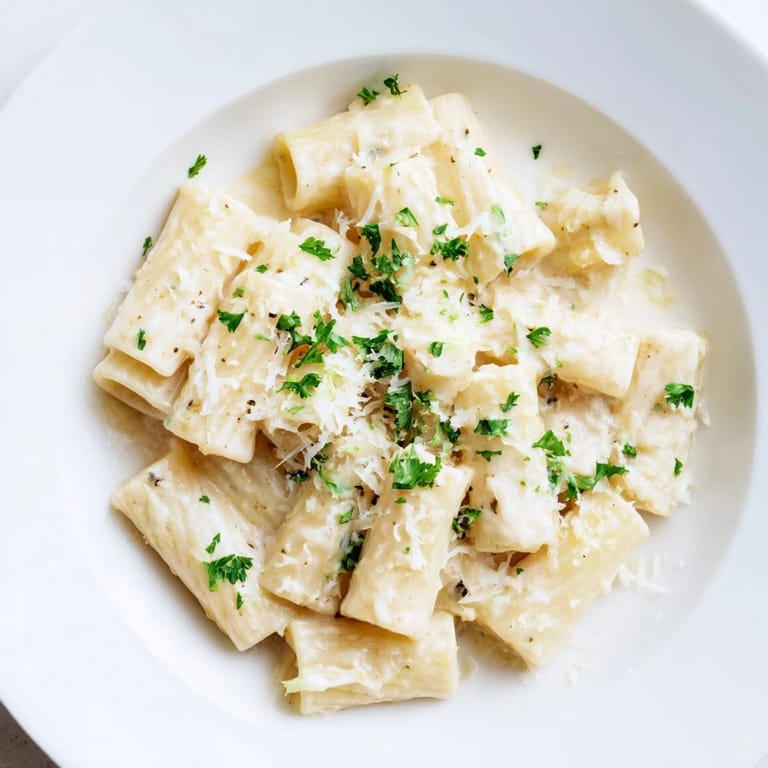
Save This recipe proves that the best meals sometimes come from impatience and a willingness to break the rules about how things are supposed to be made. Make it for yourself on a quiet night, or for someone who needs proof that good food doesn't have to be complicated.
Kitchen Guide
- → What type of pasta works best?
Short pasta shapes like penne, fusilli, or rigatoni hold the creamy sauce well and cook evenly.
- → Can I use milk alternatives?
Whole milk provides richness, but you can try cream or milk substitutes, though texture and flavor may vary.
- → How do I prevent the sauce from sticking or burning?
Stir frequently during cooking and keep the heat at a gentle simmer to avoid scorching.
- → Can I add extra ingredients for variety?
Yes, sautéed mushrooms, spinach, or peas complement the creamy base well. For non-vegetarian options, cooked bacon or ham work nicely.
- → What cheese provides the best flavor here?
Grated Parmesan melts smoothly into the sauce, adding savory depth and a slightly nutty note.